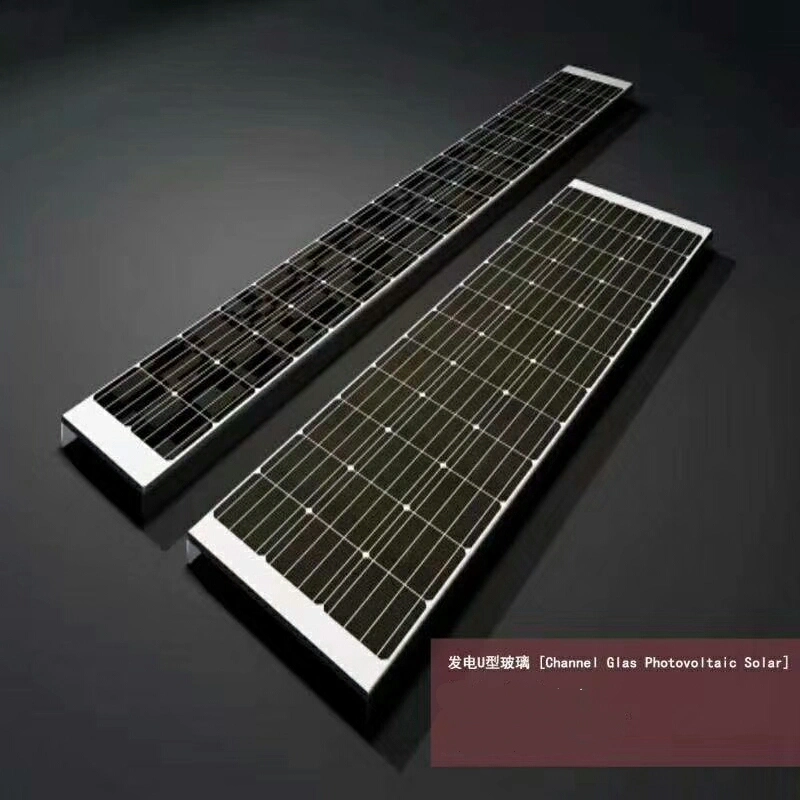
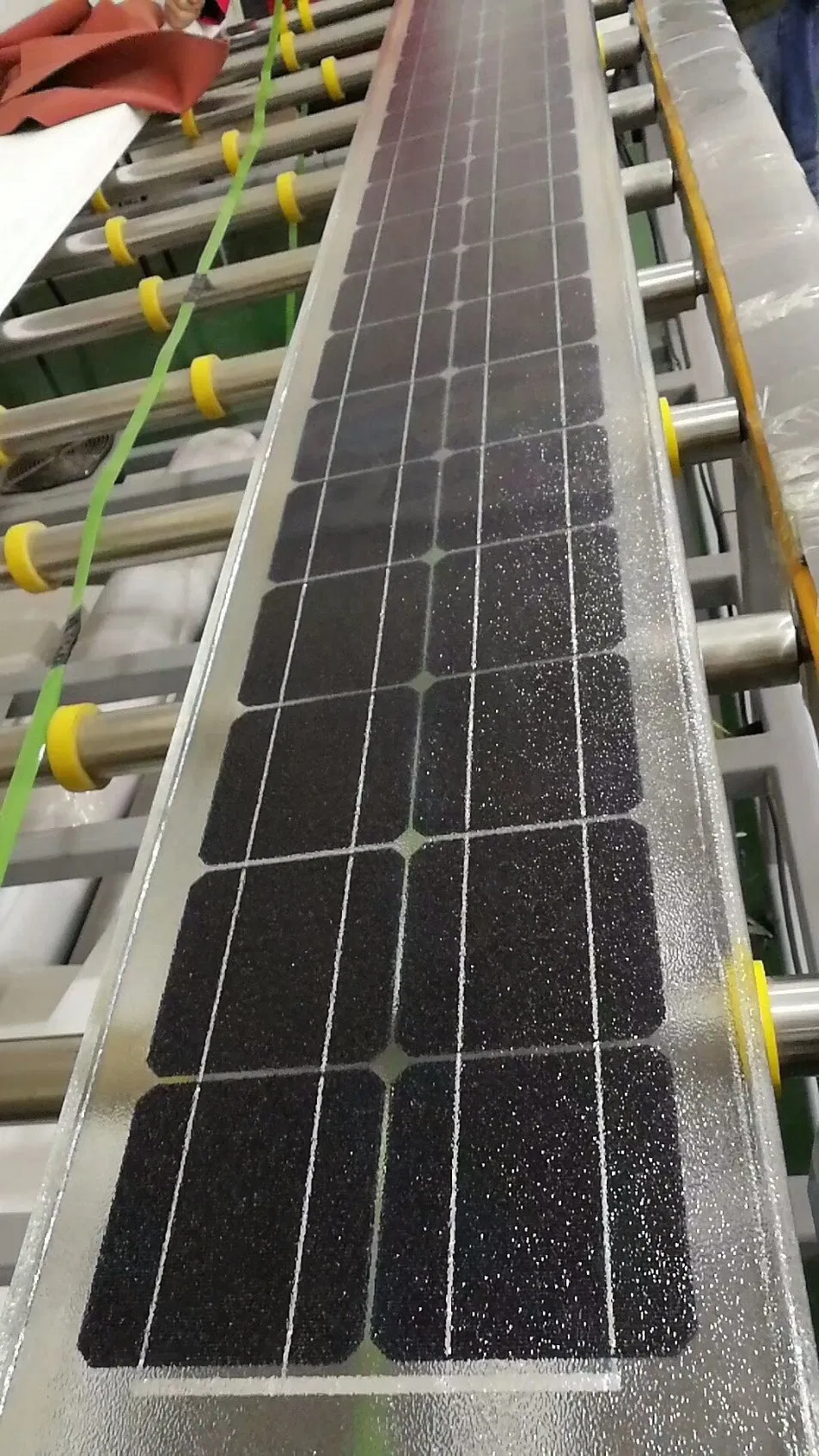
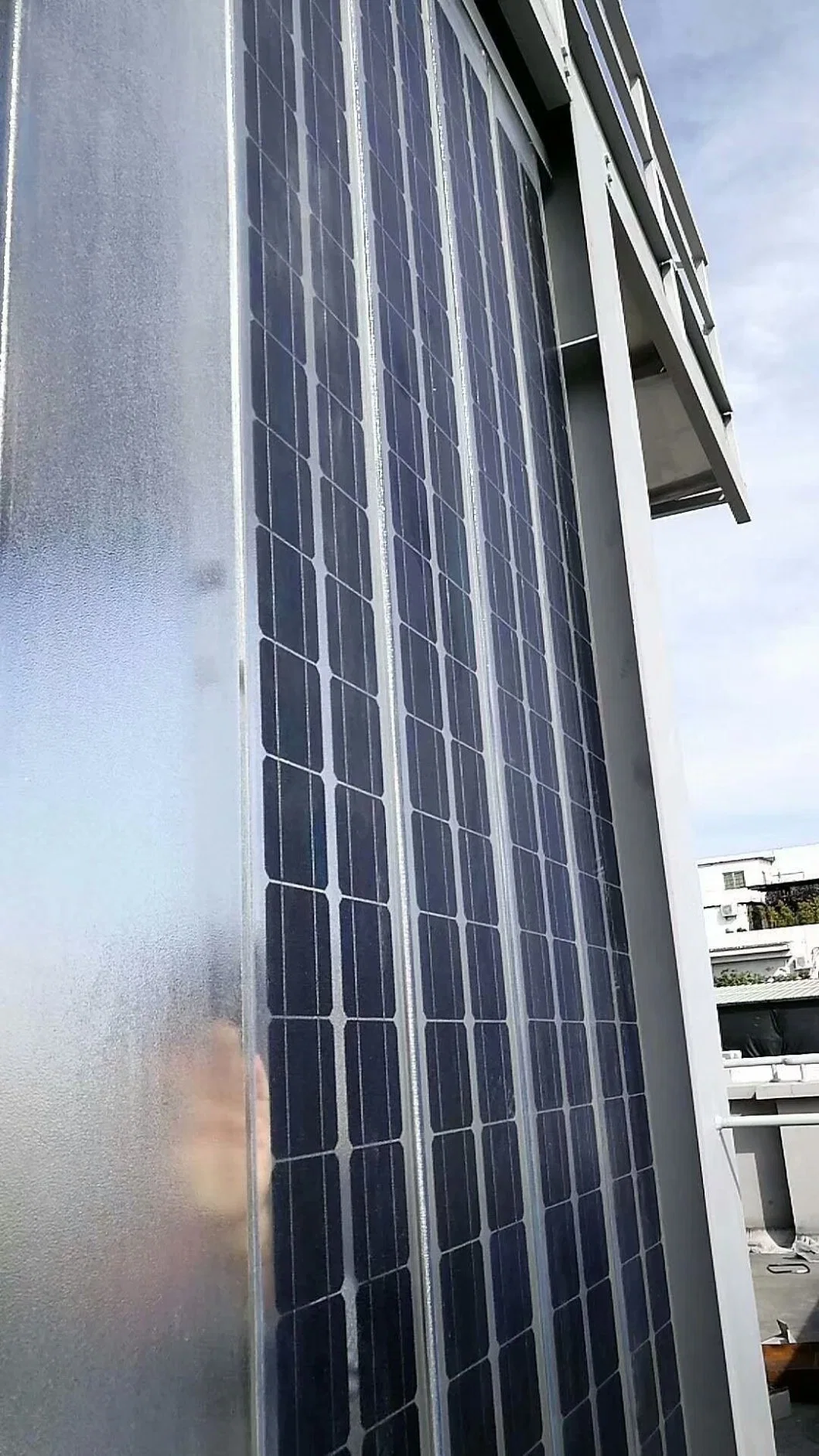
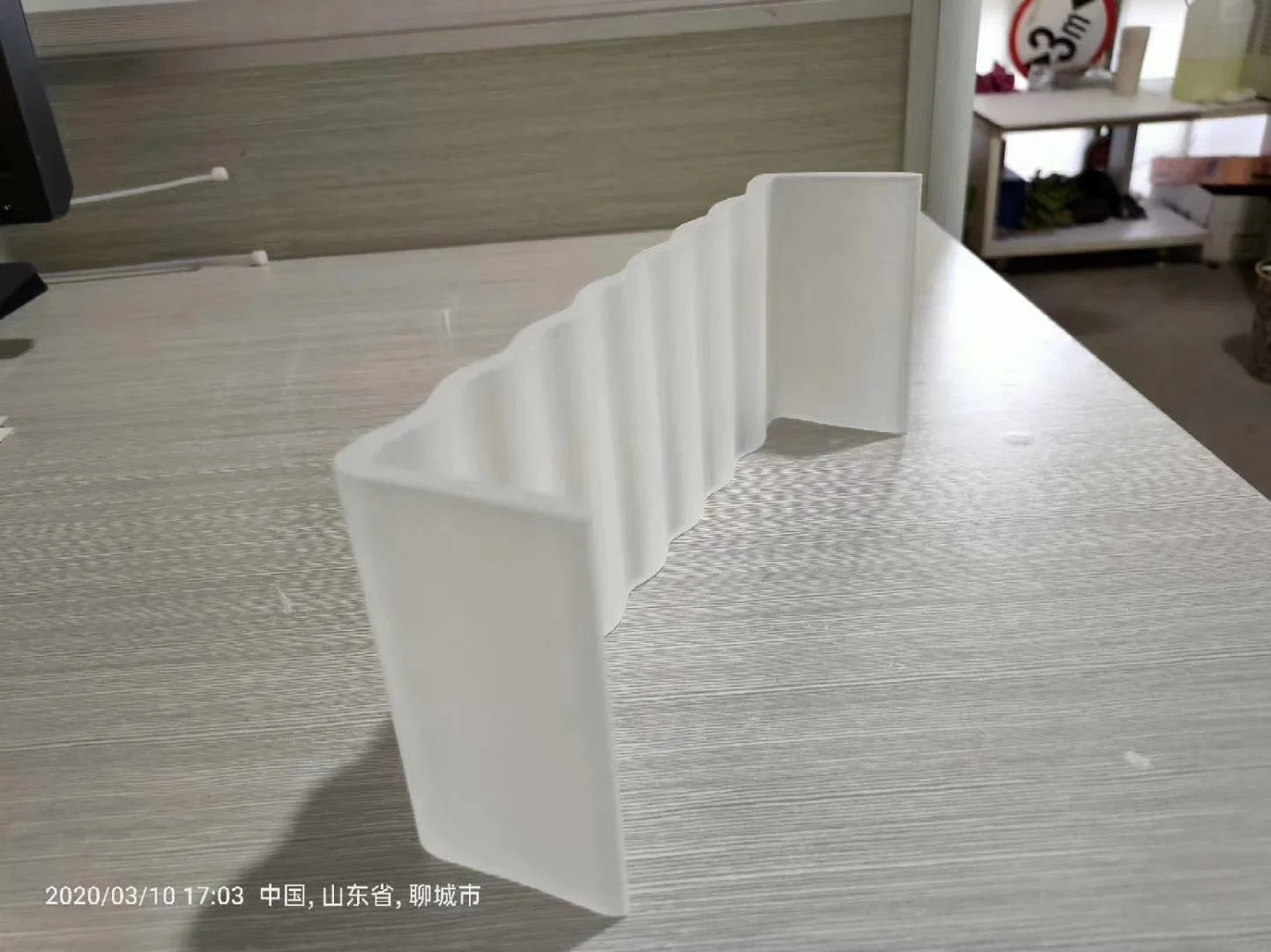
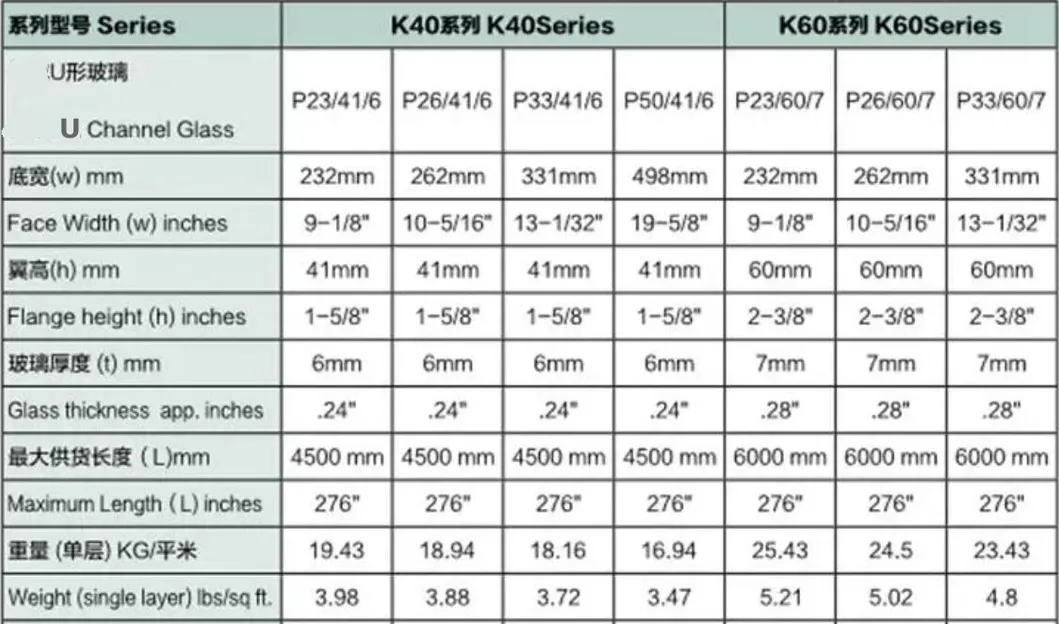
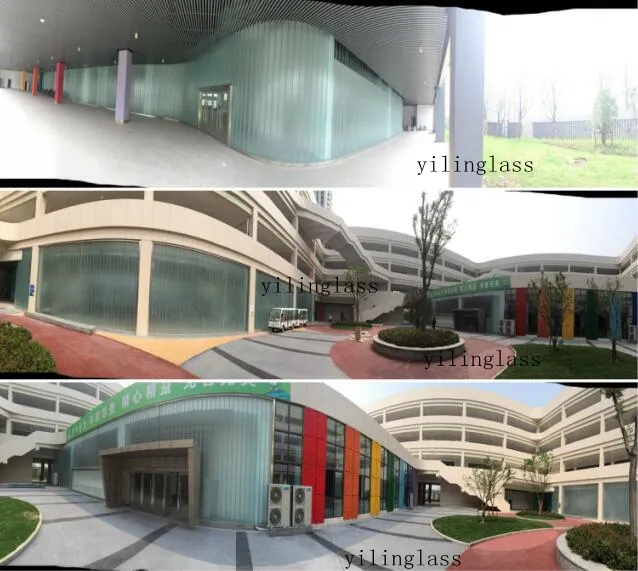
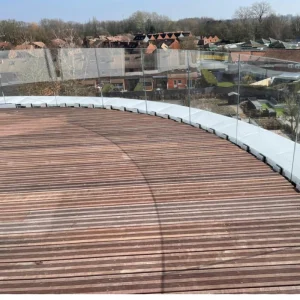
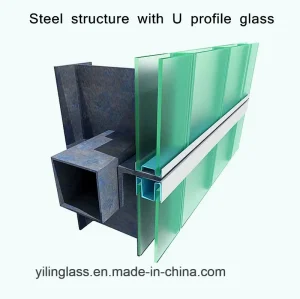
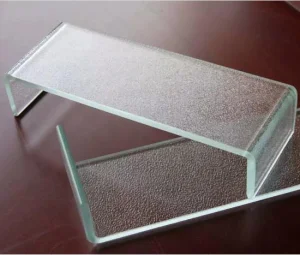
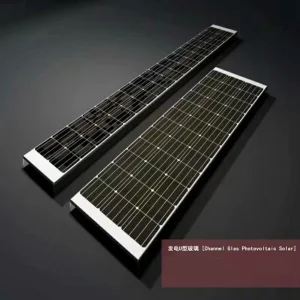
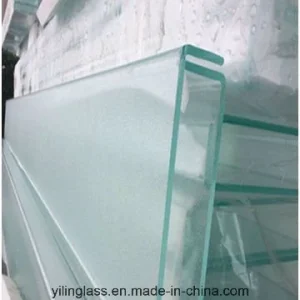
U-profile glass originates from Austria and has been produced for over 35 years in Germany. As one of the typical materials used in large-scale building projects, U-profile glass is applied extensively in Europe and America. Its adoption in international-based design trends has made it a popular choice for modern architecture.
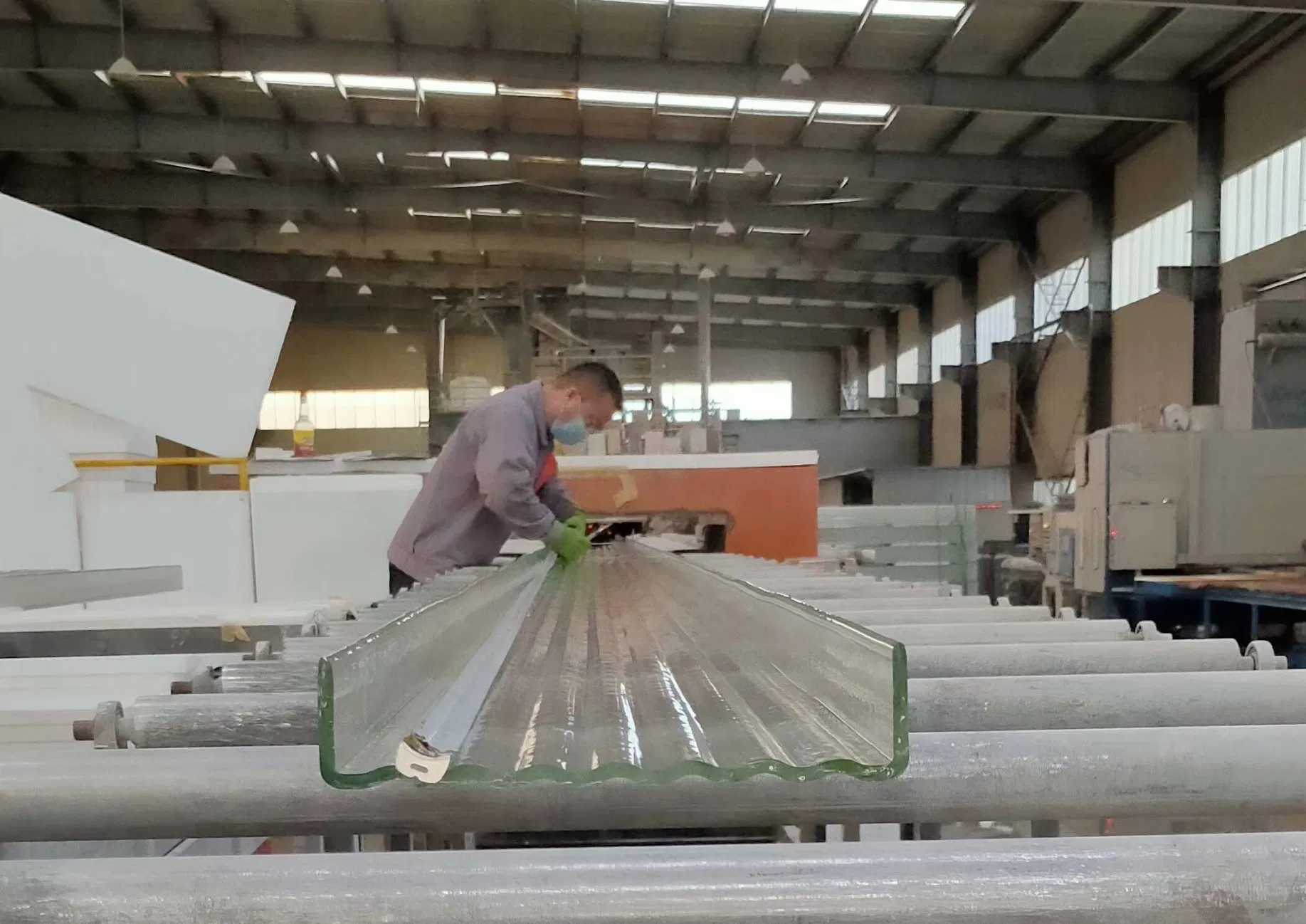
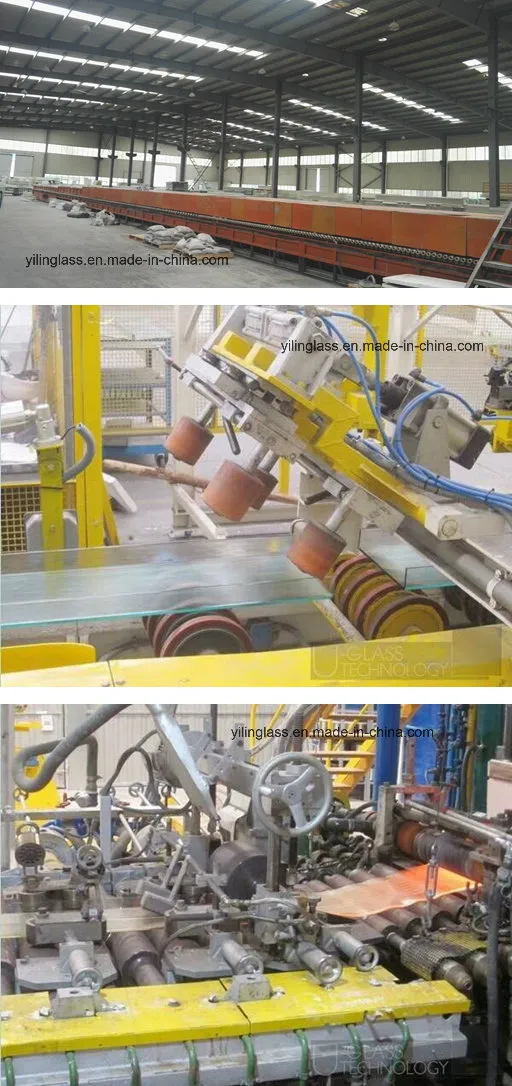
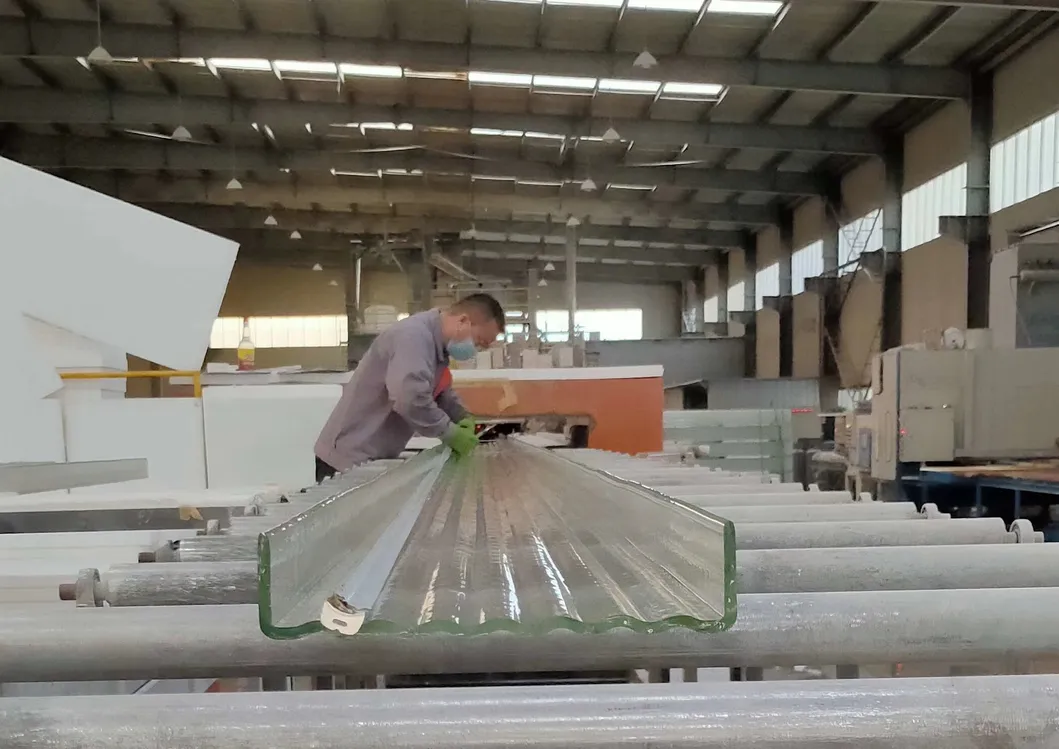
U-profile glass is a type of casting glass produced in computer-controlled smelting furnaces, ensuring excellent quality and precision. Its high mechanical strength allows it to be fixed on high-rise buildings and other structures requiring optimal lighting, saving buildings from extra vertical and horizontal underpinning. It is featured for its good lighting, heat insulation, preservation, and sound insulation.
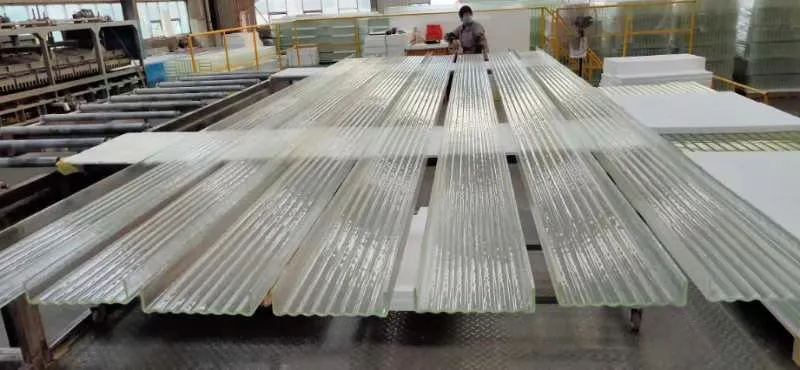
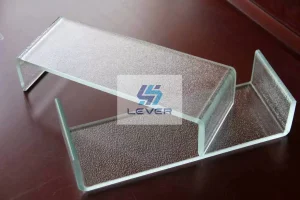
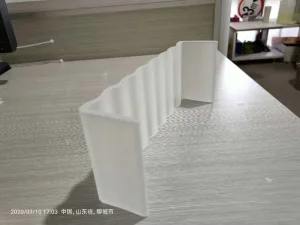
Wave Pattern U Glass Surface:
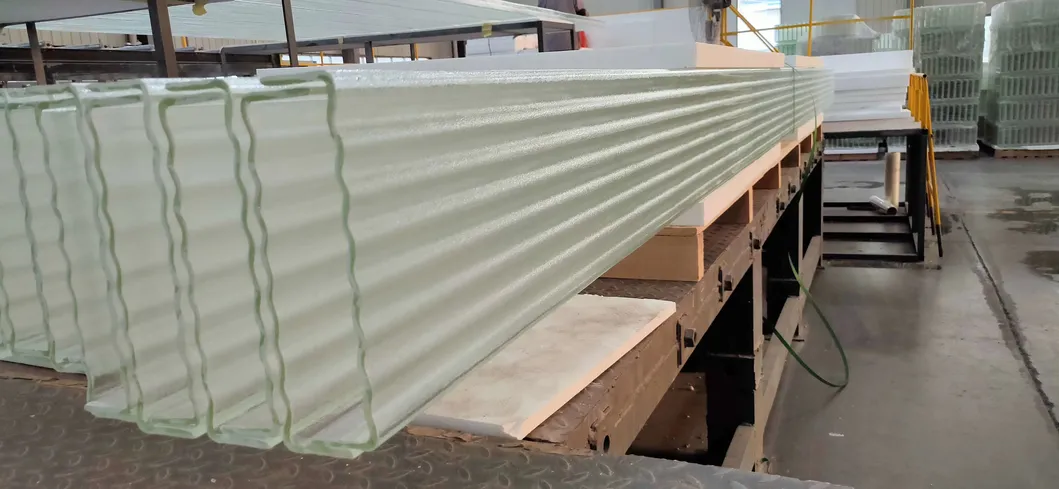
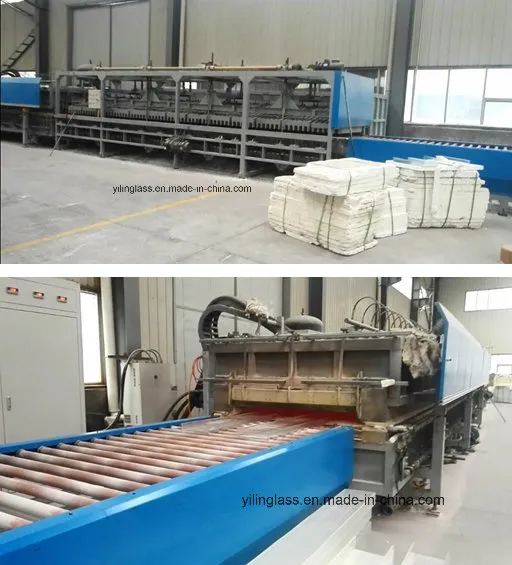
The tempering process for channel glass can accommodate lengths up to 20' long using custom ovens designed for three-dimensional channel glass. Tempered channel glass has undergone heat treatment to raise compression to 10,000 psi or greater, making it three to four times stronger than annealed glass.
It is recognized by its break pattern—small, harmless fragments known as "dicing," which significantly reduces the risk of injury as there are no jagged edges.
?
Frequently Asked Questions
1. What are the primary benefits of U-profile glass?
U-profile glass offers excellent light diffusion, thermal insulation, and sound protection. Its structural shape allows for high mechanical strength, making it ideal for large-scale and high-rise building projects.
2. How strong is tempered U-profile glass compared to standard glass?
Tempered U-profile glass is three to four times stronger than standard annealed glass, withstanding compression of 10,000 psi or greater.
3. Can the size and pattern of the glass be customized?
Yes, customized sizes and various patterns (like Pear-grain, Ice, and Piccolo) are available to meet specific architectural design requirements.
4. What is the maximum length available for U-profile glass?
The glass can be produced in lengths of up to 12 meters (approximately 40 feet), suitable for expansive facade applications.
5. Is U-profile glass environmentally friendly?
Yes, it is considered an economical and environment-friendly material due to its heat preservation properties and efficient lighting capabilities which can reduce energy consumption.
6. What happens if tempered U-profile glass breaks?
It breaks into small, harmless fragments (dicing pattern) instead of sharp shards, which greatly reduces the risk of injury to people.
 DotView Glass