Leading the way in maintenance-free architectural glazing
Why Self-Cleaning Glass is a Game Changer for the African Continent
In the rapidly evolving landscape of South African urban development—from the corporate hub of Sandton, Johannesburg to the windy coastal skyscrapers of Cape Town—the demand for sustainable and low-maintenance building materials has reached an all-time high. South Africa's unique environmental conditions, characterized by high UV radiation and intense dust storms in the interior regions like Gauteng, make traditional glass maintenance both a logistical challenge and a massive financial burden.
As a premier Self-cleaning Glass Manufacturer & Supplier in South Africa, we recognize that the local market is pivoting toward "Green Building" standards. With the Green Building Council South Africa (GBCSA) advocating for energy efficiency and water conservation, our photocatalytic and hydrophilic glass technologies offer a dual solution: they reduce the need for chemical detergents and save millions of liters of water annually across the commercial sector.
Our glass uses the abundant South African sunshine to break down organic dirt through a photocatalytic process, ensuring facades stay cleaner for longer.
In water-stressed regions like the Western Cape, the hydrophilic coating allows rainwater to sheet off and wash away debris, eliminating the need for manual hosing.
Engineered to withstand the salt spray of Durban and Port Elizabeth, our coatings prevent mineral buildup and salt etching on premium glass surfaces.
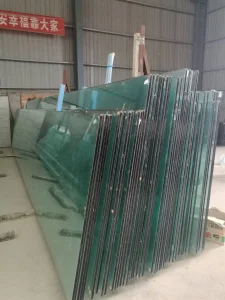
At the heart of our self-cleaning glass lies a microscopic layer of Titanium Dioxide (TiO2). This nano-coating is fused into the glass surface during the manufacturing process. In a country like South Africa, which enjoys over 2,500 hours of sunshine per year, this technology is exceptionally efficient. The UV rays trigger a chemical reaction that decomposes bird droppings, dust, and organic pollution.
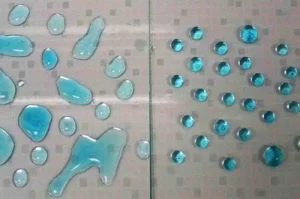
Furthermore, our Hydrophilic Coated Glass transforms the way water interacts with the surface. Instead of forming droplets (which leave unsightly spots when they dry), the water spreads into a uniform sheet. This "sheeting effect" carries away the decomposed organic matter, leaving the glass crystal clear. For the booming industrial sectors in Pretoria and Richards Bay, where air pollutants are prevalent, this technology ensures that factory office blocks and skylights maintain optimal light transmission without the downtime required for cleaning.
Hebei DotView Glass Co., Ltd. was established in 2005 and has since become a leading provider of specialized glass products and solutions. The company boasts advanced domestic glass deep-processing equipment and a robust operational management system. With a focus on innovation, Hebei DotView Glass specializes in the research, development, and manufacturing of high-quality architectural safety energy-saving glass and industrial glass. It also offers customized product services to meet the diverse needs of its clients.
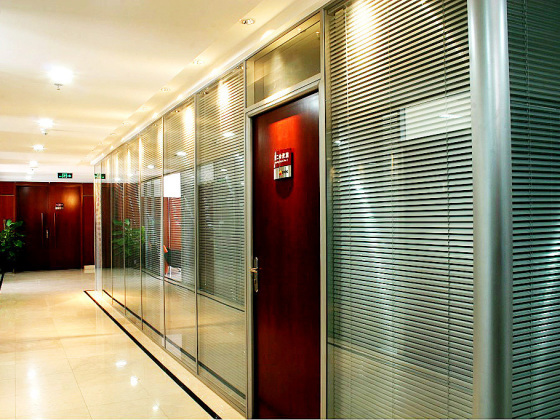
The company's core product range includes tempered glass, laminated glass, Low-E insulating glass, fire-resistant glass, and ceramic frit glass. These products are widely used in high-end building curtain walls, doors and windows, and decoration projects in major South African metros and beyond.
In Sandton and Rosebank, maintaining the pristine look of corporate headquarters is a priority. Our self-cleaning glass reduces the cost of window-washing crews by up to 70%.
Coastal homes in Camps Bay and Knysna suffer from salt spray. Our specialized coatings protect glass transparency against the harsh Atlantic and Indian Ocean winds.
In the agricultural hubs of Limpopo and Mpumalanga, our hydrophilic glass for greenhouses ensures maximum light penetration, boosting crop yields by keeping dust off the panels.
Hebei DotView Glass is proud to hold more than 50 core technology patents, demonstrating its commitment to research and development. The company has successfully completed over 100 prestigious engineering projects, delivering high-performance glass solutions that enhance the safety, sustainability, and aesthetic appeal of buildings.
We enjoy long-term, stable partnerships with leading global developers and have supplied glass for iconic landmarks such as:
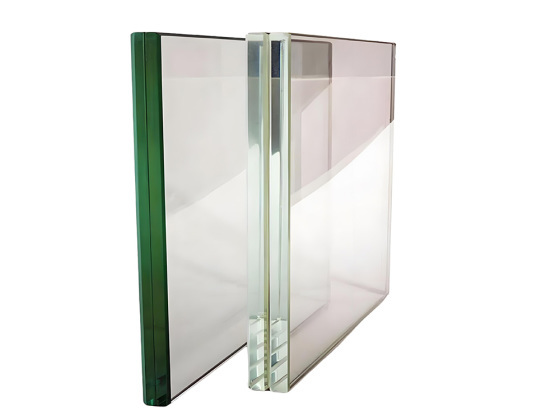
The South African construction industry is moving towards Net-Zero energy buildings. In the next decade, we anticipate that self-cleaning glass will not just be a luxury feature but a standard requirement in all commercial building codes. The integration of Nano-Coating technology with Low-E insulating units creates a powerhouse of energy efficiency, reducing the cooling load in hot regions like the Karoo while keeping the windows spotless.
As a leading Self-cleaning Glass Supplier, we are also exploring the "Smart City" initiative in South Africa, where sensors integrated with our glass products can monitor environmental health, providing real-time data to building management systems in hubs like Durban's Dube TradePort.
Engineered for the South African Environment
Connect with the leading experts in self-cleaning glass technology today.
 DotView Glass