When considering energy efficiency in buildings, one question often arises: "How does U-value affect my building's electricity bill?" U-value measures how well a building's structure insulates against heat loss. Industry expert John Smith emphasizes, "A lower U-value directly correlates to reduced energy expenses." Understanding U-value can help property owners make informed decisions.
A building with a low U-value retains heat better, meaning less energy is needed for heating. For instance, an older structure with high U-values may lead to inflated electricity bills. Insulating materials can significantly enhance U-value scores, ultimately reducing energy consumption. This transformation not only saves money but also contributes to environmental sustainability.
However, it's essential to reflect on the upfront costs of improving U-values. Upgrading insulation and windows can be costly. Many owners hesitate due to initial investments. Balancing short-term expenses with long-term savings raises questions. It's vital to analyze the overall impact of U-value on bills. The benefits might outweigh the costs, but the decision requires careful consideration.
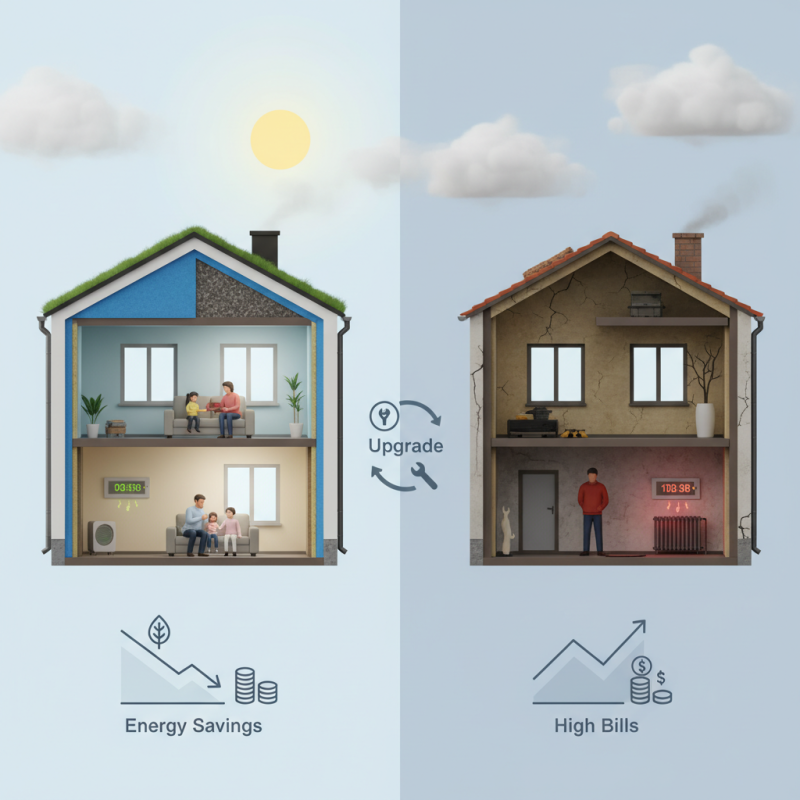
U-value measures how well a building element conducts heat. Lower U-values indicate better insulation. This directly impacts your energy bills. When heat escapes, you need more energy to maintain comfort.
In winter, a high U-value in windows can increase heating costs. A wall with poor insulation also causes heat loss. Consider upgrading insulation in key areas. It might be costly upfront, but savings follow.
Tips:
The U-value measures how well a building element conducts heat. A lower U-value means better insulation. For instance, walls with a U-value of 0.3 W/m²K lose less heat than those with 1.5 W/m²K. Buildings with high U-values typically incur higher energy costs. According to the U.S. Department of Energy, improving insulation can reduce energy bills by 20-30%.
Heat loss through windows is significant. Poorly insulated windows can account for up to 30% of total energy loss. A U-value of 1.8 W/m²K for windows translates into more heat escaping in winter months. Energy-efficient alternatives often reach U-values as low as 1.0 W/m²K or even below. This results in a noticeable decrease in energy consumption for heating.
Many buildings still have outdated insulation. This oversight can lead to excessive energy bills. The potential for savings is not realized. If building owners invest in better materials, they can significantly reduce costs. Yet, the upfront investment deters many. Energy audits reveal that the right changes can save thousands in energy expenses over time.
The U-value plays a critical role in HVAC system efficiency. A lower U-value indicates better insulation. This means buildings maintain comfortable temperatures longer. Reports show that reducing U-values in walls and windows can cut energy consumption by up to 30%. This directly impacts electricity bills.
Tips: Consider upgrading insulation materials. Even small changes can lead to noticeable savings.
Effective HVAC systems depend on minimal heat loss. If your building's U-value is high, your HVAC works harder. This increases electricity usage. Research indicates that improving U-values can enhance HVAC efficiency by 20% to 25%. Think about retrofitting older structures with new, energy-efficient materials.
Tips: Regularly check windows and doors for drafts. Sealing gaps can significantly improve U-values.
Investing in better insulation improves comfort. However, it requires upfront costs. It’s crucial to weigh long-term savings against initial investments. In the end, understanding the U-value connection to HVAC systems can guide smarter energy choices for any building project.
When it comes to building design, U-value plays a crucial role in energy efficiency. U-value measures heat transfer through building materials. A lower U-value indicates better insulation. In a recent report by the Building Research Establishment, it was highlighted that modern materials can achieve U-values as low as 0.1 W/m²K. This is significant.
Comparing materials is essential. For instance, triple-glazed windows can have U-values around 0.8 W/m²K. In contrast, standard single-glazed options can reach 5.0 W/m²K. Choosing the right materials can cut energy costs significantly. A reduction in U-value often leads to reduced heating and cooling bills. However, not all designs take this into account. Many builders still rely on outdated materials, which can lead to higher electricity bills.
In passive homes, for instance, U-values are a core component. They ensure minimal energy loss, maximizing efficiency. Some reports indicate that well-designed buildings can save 80% on heating costs. This can be a game changer for homeowners. It raises questions about legacy practices in building design. Balancing costs and U-values requires careful consideration and innovation. Each decision impacts long-term expenses and comfort.
Improving the U-value of your building can significantly cut down your electricity bill. U-value measures heat transfer through materials. Lowering it means better insulation, keeping the heat inside during winter and outside during summer. This reduces the need for heating and cooling systems, saving money in the long run.
One simple way to improve U-value is by sealing gaps in windows and doors. These small cracks can let air escape freely. Add weatherstripping for a quick fix. Also, consider using better insulation materials in your walls and attic. With the right choices, you can enhance comfort and reduce energy consumption.
Regularly checking your heating and cooling systems is essential. Sometimes they work harder due to poor insulation. This leads to higher bills. Reflecting on these issues can help reveal hidden costs. Investing in a professional energy audit could also show weak points in your building's insulation. Small changes can lead to significant savings over time.
: U-value measures heat transfer through materials. Lower values mean better insulation.
High U-values cause more heat loss. This can lead to increased heating costs.
Poorly insulated windows can account for up to 30% of total heat loss. This is significant.
Consider adding thicker curtains or sealing door cracks. Small changes can lead to big savings.
Yes, improving insulation can reduce energy bills by 20-30%. The savings often justify the initial investment.
Modern materials can achieve U-values as low as 0.1 W/m²K. This indicates excellent insulation.
Yes, many builders still rely on outdated materials. This can lead to unnecessary higher energy costs.
Passive homes maximize efficiency by maintaining low U-values, leading to up to 80% savings on heating.
While the initial cost can be daunting, the long-term savings on energy can be substantial.
Homeowners should consistently assess insulation efficiency. Improvement can significantly affect comfort and costs.
The article "Top 10 Ways U-value Influences Your Building Electricity Bill" explores the critical concept of U-value and its significant impact on energy efficiency in buildings. Understanding U-value helps in assessing how well a building's materials insulate against heat loss, which directly influences overall energy consumption. A higher U-value indicates greater heat loss, making it essential to select appropriate building materials and designs that optimize insulation and reduce energy use.
Moreover, the relationship between U-value and HVAC system efficiency is crucial, as effective insulation can lead to lower energy demands from heating and cooling systems. The article also provides practical tips for improving U-value, ultimately guiding readers on how to lower their electricity bills. In addressing the question, "How does U-value affect my building's electricity bill?" it becomes clear that investing in better insulation can lead to substantial savings in energy costs.

DotView Glass