As we approach the 139th Canton Fair in 2026, trends around Spherical Curved Glass will capture much attention. This type of glass, known for its elegance and versatility, plays a vital role in various industries. Its application ranges from architecture to consumer electronics, reflecting a blend of aesthetics and functionality.
Spherical Curved Glass can enhance both interior and exterior designs. It offers unique opportunities for creativity in product development. The trend is evident as manufacturers showcase innovative designs at the fair. However, challenges remain. Some producers struggle with balancing quality and production costs. Additionally, not all exhibitors may meet industry certifications such as ISO or CE, raising concerns for buyers.
Navigating this market is crucial for successful procurement. AI-driven tools at the fair will assist buyers in identifying trustworthy suppliers. With over 155,000 square meters of exhibition space, the fair promises to be an exciting environment for uncovering the latest in Spherical Curved Glass. Yet, careful research and evaluation are key to making informed decisions in this evolving landscape.
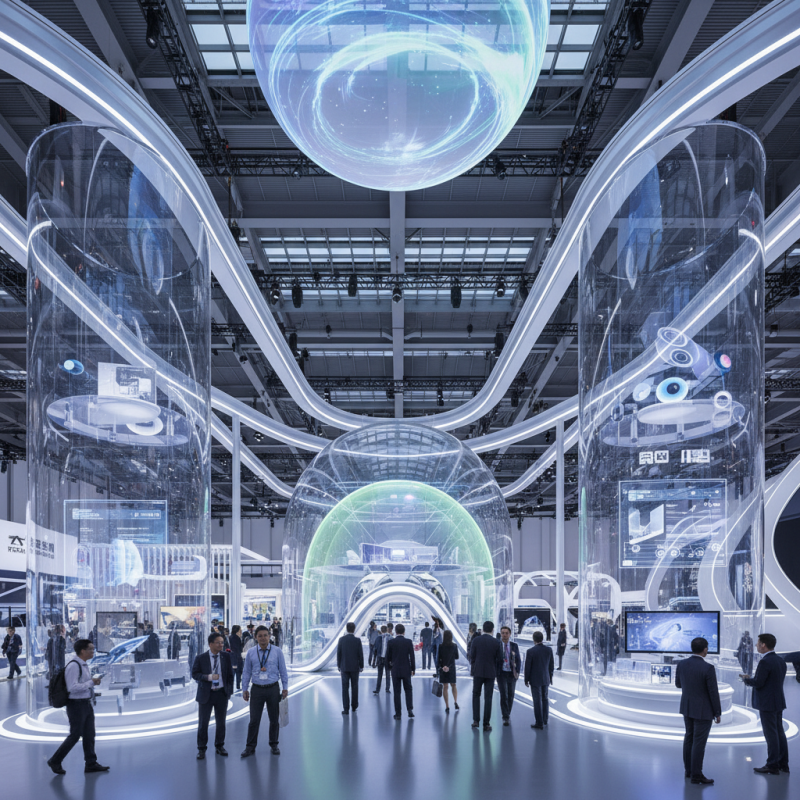
The 2026 Canton Fair is set to showcase exciting advancements in spherical curved glass technologies. Emerging fabrication techniques are transforming the industry. Recent reports indicate a projected annual growth of 7.8% in curved glass demand. Innovations such as digital glass printing and enhanced bending processes are at the forefront.
One notable technique involves robotic automation, allowing for precise cutting and shaping. Automation reduces errors and increases production speed. However, manufacturers must carefully balance cost and efficiency. Not all companies have access to these advanced tools.
Tips: Investing in training for staff is key. Skilled workers can better manage new technologies. Collaboration with tech firms can also foster innovation. Keeping abreast of trends will help businesses adapt quickly.
Sustainability remains a pressing issue. While new methods are efficient, some still rely on traditional materials. Using eco-friendly glass can mitigate environmental impact, but costs may rise. This is a challenge for many small manufacturers. They must weigh the benefits against potential losses.
Innovative design trends in spherical curved glass are transforming various industries. These trends emphasize the aesthetics and functionality of curved glass. Such designs offer a fresh perspective on architecture, art, and consumer products. Curved glass not only enhances the visual appeal but also adds structural integrity. The interplay of light and glass creates captivating reflections.
One striking trend is the incorporation of smart technology into curved glass. Imagine a curved glass wall that adjusts transparency based on sunlight. This innovation can improve energy efficiency in buildings. Yet, challenges remain in manufacturing precision. The techniques to produce flawless curves are still evolving. Not all designs fully achieve their intended visual impact, necessitating ongoing refinement.
Another trend is the use of eco-friendly materials in curved glass production. As sustainability becomes a priority, manufacturers are exploring recycled and biodegradable options. However, balancing eco-friendliness with performance is complex. Some eco-materials may not deliver the same clarity or durability. This gap prompts further investigation and innovation in the field. Spherical curved glass applications continue to evolve, leaving room for experimentation and creative exploration.
| Trend | Application | Material Used | Design Features | Market Demand |
|---|---|---|---|---|
| Eco-friendly Coatings | Architectural Glass | Low-E Glass | UV Protection, Energy Efficiency | High |
| Smart Glass | Interior Design | Electrochromic Glass | Variable Transparency | Growing |
| Sustainable Materials | Furniture & Decor | Recycled Glass | Unique Textures | Moderate |
| Advanced Laminating | Safety Glass | Laminated Glass | Increased Durability | High |
| 3D Printing | Art Installations | Glass Filaments | Custom Shapes | Emerging |
| Decorative Patterns | Home Interiors | Etched Glass | Artistic Designs | Moderate |
| Color Changing Glass | Facade Design | Photochromic Glass | Dynamic Color Shifts | High |
| Curved Glass Technology | Automotive & Architecture | Tempered Glass | Sleek Designs | Growing |
| Textured Glass | Partitions & Doors | Patterned Glass | Light Diffusion | Moderate |
| Modular Glass Designs | Building Systems | Modular Panels | Customizable Structures | High |
As curved glass products gain popularity, sustainability practices have become a focal point in their production. The latest reports show that around 50% of consumers favor eco-friendly materials in their purchases. This trend challenges manufacturers to innovate while minimizing environmental impact.
One approach is the use of recycled glass. Incorporating up to 30% post-consumer glass can significantly reduce energy consumption. Moreover, advancements in production technologies aim to decrease waste. However, it’s crucial to assess whether these methods can reliably meet demand. The current shift towards sustainability isn’t always seamless.
Energy-efficient furnaces and renewable energy sources play a vital role. Yet, the transition can be costly and technically complex. Industries must address these challenges to achieve their sustainability goals. As we look towards the future, questions remain about how to balance economic viability with ecological responsibility.
The spherical curved glass industry is undergoing rapid transformation as we approach the 2026 Canton Fair. According to a recent report by Global Market Insights, the market is projected to grow at a compound annual growth rate (CAGR) of over 7% from now until 2026. This growth is largely attributed to increasing applications in architecture, automotive design, and consumer electronics.
Market dynamics reveal rising demand for energy-efficient solutions. Manufacturers are exploring innovative manufacturing processes to reduce waste and improve material sustainability. However, challenges persist, including a lack of skilled labor and high production costs. These issues could slow down the adoption of advanced techniques seen in recent years.
Consumer preferences are shifting towards customized solutions. Reports indicate that 42% of clients prefer tailored products over standard options. This trend prompts companies to rethink their product development strategies. Despite progress, many firms struggle with quality control as they ramp up production to meet diverse needs. The evolving landscape shows promise, yet requires careful navigation to balance innovation with practicality.
The 2026 Canton Fair will showcase the growing influence of consumer preferences on spherical curved glass trends. Market reports indicate that personalized designs are gaining momentum. Consumers increasingly seek unique glass shapes that enhance aesthetics and functionality. This shift is reshaping product offerings, as manufacturers adapt to these preferences.
Sustainability also plays a pivotal role in preferences. A recent survey revealed that over 70% of consumers prefer eco-friendly materials. This demand drives companies to innovate and explore sustainable glass manufacturing methods. Consumers want beautiful products without harming the planet. They prioritize brands that embrace green practices.
Tips: Consider the market dynamics. Stay updated on trends that matter to consumers. Engage with them to understand their needs. Flexibility in design and sustainability can lead to new opportunities. As trends evolve, be prepared to adapt and rethink your strategies.
: Emerging trends include digital printing and better bending methods. These techniques enhance both efficiency and quality in production.
It allows for precise cutting and shaping. Automation improves speed but may not be accessible to every manufacturer.
Sustainability is crucial. While eco-friendly materials are preferred, balancing performance and environmental impact can be challenging.
Skilled workers can manage new systems more effectively. Investing in training ensures better utilization of advanced fabrication tools.
No, some eco-materials may lack clarity or durability. Ongoing innovation is needed to overcome these performance gaps.
Smart technology can adjust transparency based on sunlight. This helps enhance energy efficiency but requires precise manufacturing techniques.
While reducing energy use, the availability of recycled glass must meet demand reliably. This transition can complicate manufacturing processes.
No, the transition can be technically complex and costly. Industries must navigate these challenges to meet sustainability goals.
Curved glass enhances visual appeal and offers structural integrity. Its interplay with light creates captivating reflections.
Manufacturers need to balance aesthetics with functionality and keep evolving production techniques for flawless outcomes.
The 2026 Canton Fair is set to showcase significant advancements in the field of Spherical Curved Glass, highlighting key trends shaping its future. Emerging technologies in the fabrication process are poised to enhance efficiency and creativity, enabling more innovative designs across various applications. Sustainability practices are also becoming increasingly vital, as manufacturers prioritize eco-friendly production methods to meet consumer demand for environmentally responsible products.
Market dynamics are influencing the Spherical Curved Glass industry, with consumer preferences guiding the development of new styles and functionalities. As the demand for aesthetically pleasing and versatile glass solutions rises, the industry is evolving to cater to these trends, ensuring that Spherical Curved Glass remains at the forefront of architectural and design innovations.

DotView Glass