In the fast-evolving world of commercial architecture, fire safety remains paramount. Understanding "What are the fire rating requirements for commercial office glass?" is crucial for designers and building managers alike. Renowned fire safety expert, Michael Johnson, emphasizes, “Choosing the right glass can save lives and property.”
The fire rating of glass is not just a regulatory checkbox. It affects how buildings are designed and occupied. Factors such as glass thickness, the type of framing, and the specific fire rating all come into play. The aim is to prevent fire spread and provide safe evacuation pathways.
Yet, many professionals underestimate these requirements. Sometimes, cost and aesthetics overshadow safety considerations. This can lead to costly retrofits or, worse, endanger occupants. Ignoring fire rating standards is a risk no building manager should take. As we delve into this topic, we'll explore how to navigate compliance effectively, ensuring that safety remains the top priority in commercial office design.
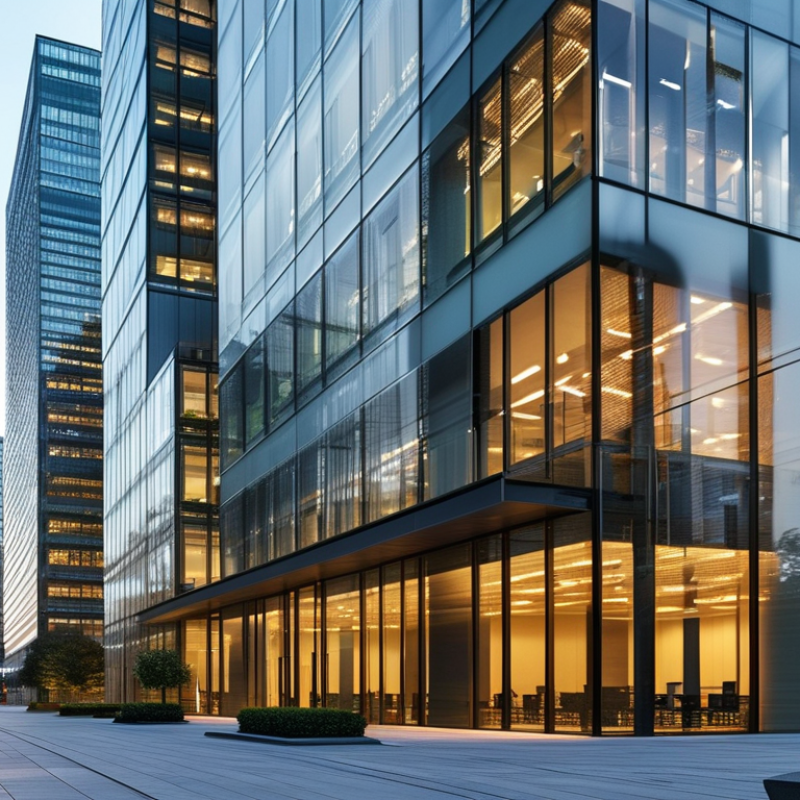
Understanding Fire Rating Requirements for Commercial Office Glass
Understanding fire rating requirements is critical for commercial office glass. These requirements exist to enhance safety for occupants and protect property. A study by the National Fire Protection Association revealed that building codes mandate specific fire ratings based on building use and height. For instance, fire-resistance-rated glass may be required in high-rise buildings or areas with high occupancy loads.
The American Society for Testing and Materials (ASTM) provides standards for fire-tested glass. Typically, fire-rated glass must withstand heat and resist breaking for a specified time. Generally, the ratings are classified as 20, 45, 60, or 90 minutes. The glass must endure flames, smoke, and intense heat.
Compliance isn't straightforward. Choosing the right glass can be challenging. Many factors come into play: local codes, design preferences, and cost constraints. A miscalculation can result in significant safety risks. Fire-rated glass is a critical component of a building’s safety plan. Getting it right demands a nuanced understanding. Weigh options carefully, and consult with experts to meet the appropriate standards.
2026 Fire Rating Requirements for Commercial Office Glass
Types of Fire-Resistant Glass and Their Applications in Office Spaces
When selecting fire-resistant glass for office spaces, understanding its types is crucial. There are several options available, each with unique characteristics. For example, tempered glass is a popular choice due to its strength. It can withstand high temperatures and impacts, making it suitable for busy environments. Laminated glass also offers fire resistance. It consists of two layers of glass with an interlayer that holds them together when shattered. This feature ensures safety and minimizes potential hazards.
Next, there's ceramic glass, typically used in areas where high fire ratings are required. It can withstand flames and heat effectively. However, its thickness can limit natural light. Fire-rated glass blocks heat transfer, making it ideal for internal partitions. Its design can be aesthetically pleasing while serving safety purposes. Yet, relying solely on these materials may not suffice. Proper installation and maintenance are just as vital to ensure compliance with fire safety regulations.
Choosing the right fire-resistant glass can be challenging. Each type has its pros and cons. For instance, while tempered glass is strong, it may not meet the same fire ratings as ceramic glass. It's essential to assess specific building needs and local codes. Consulting experts can provide guidance on making informed choices about fire safety in office design.
Testing Methods for Fire Rating Compliance in Glass Products
To meet fire rating requirements for commercial office glass, understanding testing methods is essential. Glass products must undergo rigorous assessments to ensure they comply with safety standards. According to the National Fire Protection Association (NFPA), fire-rated glass can withstand temperatures up to 1,600°F, providing crucial time for evacuation.
Testing methods vary widely. The most common include the time-temperature test and hose stream test. The time-temperature test evaluates how long glass can resist heat while maintaining its integrity. In contrast, the hose stream test mimics conditions firefighters face. A study by Underwriters Laboratories (UL) revealed that glass performing well in these tests can achieve ratings like 20, 45, or even 90 minutes.
Here are some tips for compliance:
- Regularly review updated fire safety regulations. These may change, impacting glass selection.
- Collaborate with fire safety experts early in the design phase. Their input can preempt costly modifications later.
- Consider the installation environment. Factors like humidity and exposure can influence fire rating performance.
Testing is complex and must address opaque information. Many may not realize how critical specific glass types are in life safety scenarios. Evaluating your approach to fire-rated glass can uncover gaps in understanding. Always refer to updated standards and seek certification for your materials.
Best Practices for Installing Fire-Rated Glass in Office Environments
When installing fire-rated glass in office environments, it’s essential to adhere to specific codes and standards. According to a report by the National Fire Protection Association (NFPA), over 60% of commercial office fires originate from electrical malfunctions. This emphasizes the need for robust fire safety measures, including the installation of fire-resistant materials.
In practice, following best installation methods can mitigate risks. Use proper framing systems that comply with fire-rated guidelines. Ensure all edges of the glass are sealed correctly to prevent smoke and heat penetration. A study by the International Code Council (ICC) highlights that improper installation can lead to fire spread in just minutes. Employing trained professionals with expertise in fire-rated systems can greatly enhance safety outcomes.
Furthermore, the interaction of glass with other building materials must be considered. Many times, architects overlook the compatibility of fire-rated glass with adjacent wall and door systems. This oversight can compromise the entire fire safety strategy. Regular inspections and maintenance of installed units are vital but often neglected. Maintaining an updated record of inspections aids in ensuring compliance with safety standards.
2026 How to Meet Fire Rating Requirements for Commercial Office Glass? - Best Practices for Installing Fire-Rated Glass in Office Environments
| Dimension |
Details |
| Fire Rating Level |
30 mins, 60 mins, 90 mins |
| Material Types |
Laminated Glass, Tempered Glass |
| Installation Standards |
NFPA 80, ASTM E119 |
| Frame Materials |
Steel, Aluminum |
| Testing Agencies |
UL, Intertek |
| Common Applications |
Fire-rated doors, Vision panels |
| Maintenance Tips |
Regular inspections, Clean with non-abrasive cleaners |
Regulatory Standards and Codes Governing Fire Safety in Commercial Buildings
In commercial buildings, fire safety is crucial. Regulatory standards dictate how glass can be used in office spaces.
Fire ratings for glass ensure that materials can withstand high temperatures. They help prevent smoke and flames from spreading.
Understanding these regulations is essential for compliance and safety.
Tips: Always verify local fire codes before construction. Not all glass types meet the required fire ratings.
Regularly review your building’s safety plans.
Meeting fire rating requirements involves selecting appropriate materials.
Fire-rated glass must be tested and certified. Installing it correctly can make a significant difference.
Missteps in installation might lead to a false sense of security.
Tips: Conduct regular safety drills. Keep contact information for fire safety experts handy.
Proper training can save lives in emergencies.
FAQS
: Common types include tempered glass, laminated glass, and ceramic glass. Each has unique characteristics and uses.
Tempered glass is strong and can withstand high temperatures, making it ideal for busy environments.
Laminated glass has two layers of glass with an interlayer. This design minimizes hazards when shattered.
Ceramic glass is used in areas needing high fire ratings. It effectively withstands flames and heat.
Proper installation ensures compliance with fire safety regulations. Missteps can lead to a false sense of security.
Fire ratings are determined through testing methods like the time-temperature test and hose stream test.
These ratings indicate how long glass can resist fire while maintaining its integrity, providing time for safe evacuation.
Assess specific building needs, local codes, and consult with experts to make informed choices about fire safety.
Regularly review updated fire safety regulations to ensure compliance and effective material selection.
Misunderstanding regulations can lead to poor material choices. This may expose occupants to unnecessary risks.
Conclusion
The article titled "2026 How to Meet Fire Rating Requirements for Commercial Office Glass?" provides a comprehensive overview of the essential considerations in selecting fire-resistant glass for commercial office buildings. It begins by explaining the fire rating requirements for commercial office glass, emphasizing the importance of understanding these standards to ensure safety and compliance. Different types of fire-resistant glass and their specific applications in office spaces are discussed, highlighting their effectiveness in preventing the spread of fire and smoke.
Additionally, the article covers the testing methods used to evaluate fire rating compliance in glass products, as well as best practices for installing fire-rated glass in office environments. The regulatory standards and codes governing fire safety in commercial buildings are also examined, ensuring that architects, builders, and safety inspectors are well-informed about the necessary precautions and requirements. Ultimately, this thorough guidance aims to help stakeholders navigate the complex landscape of fire safety in commercial real estate.

 DotView Glass