When considering outdoor balustrades, the question arises: "Can I use decorative glass for outdoor structural balustrades?" Experts have mixed opinions on this subject. David Smith, a structural engineer with over 15 years of experience, states, "Decorative glass can enhance aesthetic appeal, but structural integrity must not be compromised." This highlights the need for careful evaluation.
Decorative glass is visually striking and can elevate any outdoor space. However, it must meet safety standards. A crucial factor is the type of glass used. Tempered glass is stronger and can withstand harsher weather conditions. This makes it a more suitable choice for outdoor environments, where wind and impact are concerns.
Despite its advantages, using decorative glass poses challenges. It can require more maintenance than traditional materials. Moreover, finding the right design that conforms to building codes is essential. Balancing beauty with functionality is key. Therefore, while decorative glass offers unique opportunities, careful consideration is paramount.
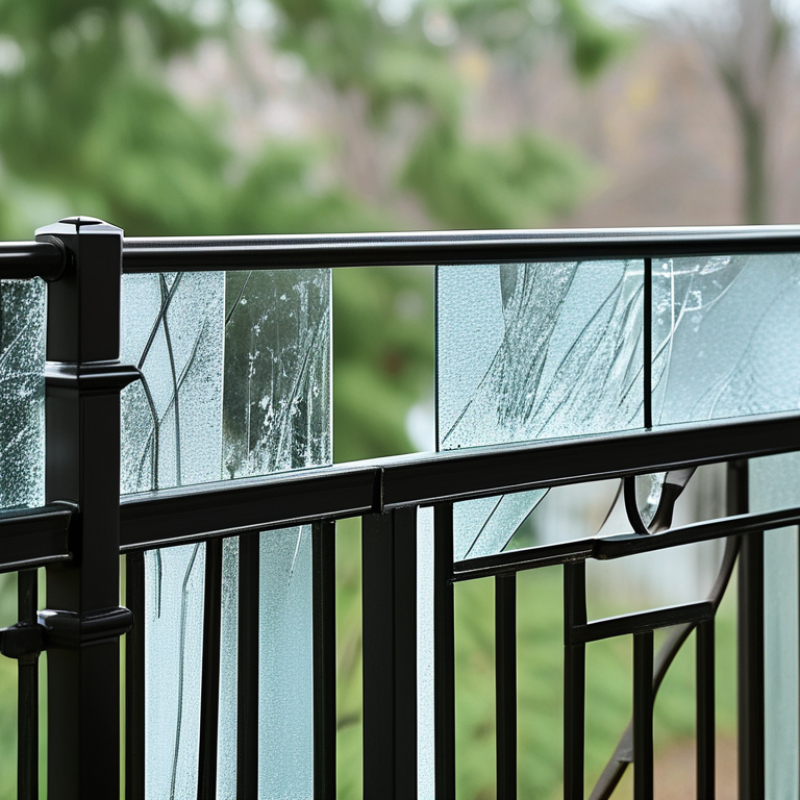
Types of Decorative Glass Suitable for Outdoor Balustrades
Decorative glass can indeed elevate the aesthetic of outdoor balustrades. There are various types to consider. Tempered glass panels are a popular option, known for their strength and safety. They provide clear visibility and an unobstructed view, which is perfect for balconies or decks with scenic backdrops. Frosted or textured glass adds uniqueness and can obscure views, enhancing privacy while maintaining an elegant touch.
Colored glass panels offer another exciting choice. They introduce vibrant hues into a space, reflecting personal style. Think of deep blues or warm ambers that can complement the outdoor environment. However, color can fade over time due to exposure to sunlight. Regular maintenance is key to keeping these vibrant.
It’s important to consider the materials surrounding the balustrade. Metal or wood can work harmoniously with glass. They also provide structural support, which glass alone may not offer. Glass can be heavy, so securing it properly is essential. Always consult with professionals for installation to ensure safety and longevity.
When choosing decorative glass, keep in mind the climate where you live. Extreme weather conditions, such as heavy winds or hail, may affect the glass's durability. Think about the long-term effects. Regular inspection can help identify any wear.
Benefits of Using Decorative Glass in Outdoor Settings
Decorative glass can transform outdoor balustrades into stunning focal points. Its clarity and aesthetics enhance any space, providing an elegant touch. According to a recent industry report, up to 70% of homeowners are considering glass for exterior design. The blend of beauty and functionality makes it increasingly popular.
Using decorative glass in outdoor settings offers several advantages. It allows unobstructed views, which is important for properties located in scenic areas. This type of glass is also resistant to weather changes, ensuring durability. Studies show that glass balustrades can withstand harsh conditions, with many lasting over 25 years when properly maintained. Transparency not only boosts aesthetics but also makes spaces feel larger and more open.
Consider these tips when using decorative glass outdoors. Ensure that the glass is tempered for safety. Use UV-resistant films to prevent fading over time. It’s important to regularly check for scratches or damage, as these can compromise its integrity. While glass is largely strong, underlying structural supports must be reliable. Reflecting on these details can lead to a successful outdoor design.
Benefits of Using Decorative Glass in Outdoor Balustrades
Installation Considerations for Glass Balustrades
When considering the installation of glass balustrades outdoors, several factors must be taken into account. One critical element is the type of glass used. Tempered or laminated glass is recommended due to its strength and safety features. Tempered glass is four to five times stronger than regular glass, reducing the likelihood of breakage. Weather conditions also play a significant role, as UV rays can lead to discoloration over time. According to a study by the American Society of Civil Engineers, properly installed glass balustrades can effectively withstand winds of up to 130 mph.
The installation should be done by professionals with experience. Incorrect installation may lead to instability, which could pose safety risks. It is essential to ensure that all fittings and brackets are corrosion-resistant, especially in coastal areas where salt can accelerate deterioration. Regular maintenance checks are crucial. This includes inspecting for any cracks or chips that might compromise structural integrity.
When choosing your design, consider visibility and aesthetics. Clear glass offers unobstructed views, enhancing outdoor spaces. However, frosted or textured options can provide privacy while still being secure. If you’re working with staircases or elevated areas, consult local building codes. They may have specific requirements for height and spacing of balustrades to ensure safety.
Utilize a professional for your installation. Ensuring structural integrity is essential. Regular maintenance can enhance longevity and safety. Consider wind load and regional weather when planning your balustrade. Adapt your design based on visibility and height requirements.
Can Decorative Glass Be Used for Outdoor Balustrades? - Installation Considerations for Glass Balustrades
| Consideration |
Details |
| Material Type |
Tempered glass is preferred for safety and durability. |
| Thickness |
Common thickness ranges from 10mm to 12mm for outdoor use. |
| Weather Resistance |
Ensure glass is treated to withstand UV rays and moisture. |
| Installation Method |
Use of stainless steel or aluminum fixings is recommended. |
| Safety Standards |
Comply with local building codes regarding height and load. |
| Aesthetic Options |
Decorative patterns, colored glass, or frosted finishes can enhance design. |
| Maintenance |
Regular cleaning is necessary to maintain clarity and appearance. |
Maintenance and Care for Outdoor Decorative Glass
When considering decorative glass for outdoor balustrades, maintenance plays a crucial role. Glass surfaces can accumulate dirt, dust, and grime over time, especially in outdoor settings. Regular cleaning helps maintain clarity and visual appeal. Use a soft cloth or sponge with a mild detergent solution to gently wipe away debris. Avoid abrasive cleaners that can scratch the surface.
Seasonal changes can impact decorative glass as well. In winter, frost or snow may cling to surfaces, making it essential to remove these elements carefully. A simple solution involves using warm water to melt ice without damage. Remember that heavy snow accumulation can stress the glass. Regular inspections can catch potential issues early.
Preventative measures should also be taken. Before harsh weather conditions, consider applying a protective sealant. This will help repel dirt and reduce staining. It’s wise to check for any cracks or chips periodically. Addressing these issues promptly can improve the longevity of your balustrades. Regular care might seem tedious but it pays off in the long run. The beauty of decorative glass can truly shine with the right maintenance approach.
Safety Regulations and Standards for Outdoor Balustrades
When considering decorative glass for outdoor balustrades, safety is paramount. Various regulations and standards govern the use of glass in construction. According to the American National Standards Institute (ANSI), glass used in outdoor settings must meet specific impact resistance tests. This ensures that it can withstand high winds, unexpected pressure, and potential impacts from objects. The importance of such standards cannot be overstated, especially in residential areas where foot traffic is frequent.
Different regions have varying codes for balustrade installations. The International Building Code (IBC) specifies minimum height and structural integrity for safety. For instance, a balustrade should typically be at least 36 inches high when used in residential settings. Additionally, glass panels must meet a certain thickness to minimize breakage, often ranging from 1/4 inch to 1/2 inch. Minor deviations from these standards can lead to safety hazards. Not every decorative glass offers the same level of security, revealing a gap for careful consideration.
The reflective nature of glass can also pose visibility risks. When designing an outdoor space, one must think about the location and the surrounding environment. Poorly placed glass can create unexpected glare, leading to potential accidents. Always consult with professionals who understand local codes and safety regulations. Their expertise can help ensure that decorative glass installations are both beautiful and compliant.
FAQS
: Tempered or laminated glass is recommended for its strength and safety features.
Professional installation ensures stability and reduces safety risks associated with incorrect fittings.
Regular maintenance checks are crucial. Inspect for cracks or chips frequently.
UV rays can lead to discoloration, while strong winds can stress the structure.
Use a soft cloth or sponge with mild detergent. Avoid abrasive cleaners to prevent scratches.
Frost or snow can cling to glass, requiring careful removal to avoid damage.
Apply a protective sealant before harsh weather to repel dirt and reduce staining.
Regular cleaning and maintenance help keep the glass clear and visually appealing.
Consider visibility and height requirements to enhance safety and aesthetics.
Prompt action on cracks improves safety and extends the life of your balustrades.
Conclusion
Decorative glass can indeed be used for outdoor structural balustrades, provided that the right types of glass are selected for durability and safety. Various types of decorative glass, such as tempered or laminated glass, are suitable for outdoor settings due to their strength and resistance to weather elements. The benefits of using decorative glass include enhanced aesthetics, unobstructed views, and increased property value.
When considering installation, it is crucial to adhere to safety regulations and standards to ensure the integrity of the balustrade. Maintenance is also a significant factor, as regular cleaning and care are essential to preserve the glass's appearance and functionality. By addressing these aspects, homeowners can effectively incorporate decorative glass into their outdoor spaces while ensuring safety and longevity.

 DotView Glass