Best Glass for Soundproofing Busy Street Home at Canton Fair?

Time:2026-03-23 Author:Mason
0%

In today’s urban environment, noise pollution is a pressing issue for many homeowners. A key question arises: "What is the best glass for soundproofing a busy street-side home?" According to soundproofing expert Dr. Emily Lawson, “Choosing the right glass can significantly reduce street noise.”

Your choice of glass can make a substantial difference. Double-glazed windows are often recommended for their superior insulation. They trap sound between layers, minimizing external disturbances. For further soundproofing, laminated glass provides an extra layer of protection. The interlayer absorbs sound, making it effective against traffic noise.

However, glass is just one part of an overall soundproofing strategy. Homeowners should also consider sealing gaps and using thick curtains. Despite the available solutions, finding the perfect fit for each home remains a challenge. Balancing cost and effectiveness is often difficult. In the end, thoughtful consideration must be given to all aspects of soundproofing to create a peaceful indoor environment.
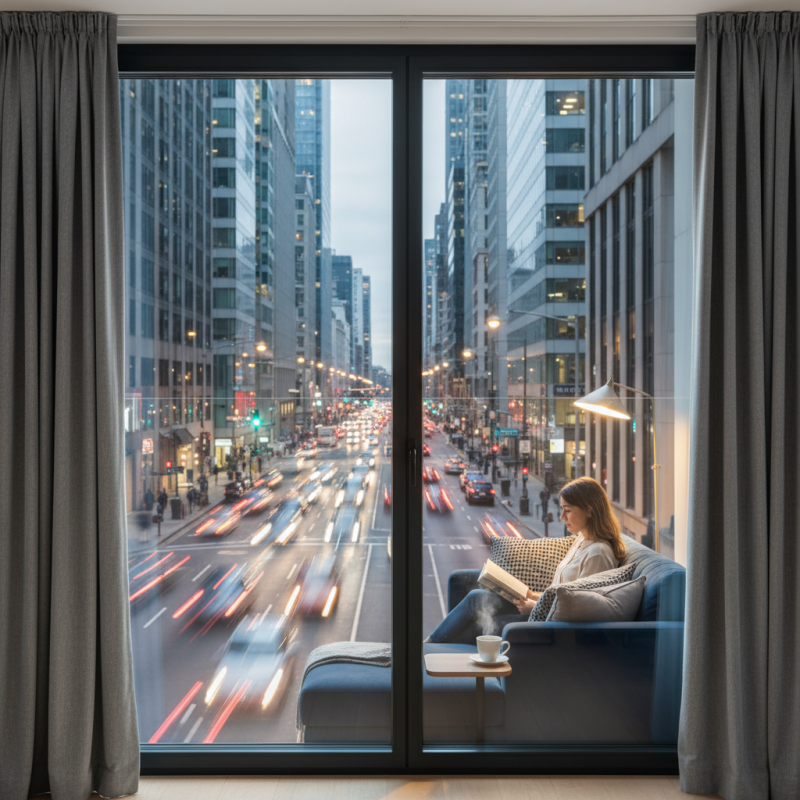
Best Glass for Soundproofing Busy Street Home at Canton Fair?

Understanding Soundproofing: Why Glass Matters for Urban Homes

Urban living comes with its challenges, notably noise pollution. For homes near busy streets, soundproofing is crucial. One often overlooked aspect of soundproofing is the type of glass used in windows. According to a study by the National Institute of Health, thicker glass can reduce sound transmission by up to 30%. This is significant for urban residents who desire peace amidst chaos.

Double-glazed windows are becoming a standard choice for soundproofing. They consist of two layers of glass with a space in between. This air gap acts as an acoustic barrier. Moreover, using laminated glass can further enhance sound dampening. Some reports show that laminated glass can reduce noise by 50%.

Tip: Consider window seals as well. Poor sealing can undermine your soundproofing efforts. Ensure that all gaps are properly filled. Also, plants near windows may help absorb sound. A simple adjustment to landscaping can make a big difference.

Not all glass solutions are created equal. While thicker glass blocks more noise, the installation quality is vital. Misalignment can lead to gaps that let unwanted sound in. Thoughtful planning is essential for achieving effective soundproofing. Your home should be a sanctuary, free from the stress of urban noise.

Types of Soundproof Glass: Options for Streetside Residences

Living on a busy street can be challenging. Noise pollution often disrupts daily life. Thankfully, soundproof glass offers a solution. It's designed to minimize sound transmission effectively. Various types are available, each suited for different needs.

Laminated glass is popular for soundproofing. It consists of two or more glass layers bonded with a plastic interlayer. This design enhances noise reduction. According to the American Society of Heating, Refrigerating and Air-Conditioning Engineers, laminated glass can reduce sound by up to 35 decibels. This means a quieter home, which is crucial for health and comfort.

Acoustic glazing is another option. It utilizes specialized materials to block sound waves. Research indicates that acoustic glass can cut noise levels significantly more than conventional glass. This technology can lead to a quieter indoor environment, making it suitable for homes near busy roads. However, installing these options can be expensive. Homeowners must weigh the cost against the benefits.

Evaluating Soundproof Performance: Key Factors in Glass Selection

When evaluating soundproof performance, it's crucial to understand the factors influencing glass selection. Sound insulation is often measured by the Sound Transmission Class (STC) rating. High STC values indicate better soundproofing. For instance, glass with a rating of 38-45 STC can effectively block noise from busy streets, creating a calmer home environment.

Laminated glass is a popular choice for soundproofing. It typically consists of two or more glass panes bonded with a layer of polyvinyl butyral (PVB). This design not only enhances durability but also improves acoustic performance. Reports suggest that laminated glass can reduce noise by up to 30%. However, installation quality plays a pivotal role. Poor installation can negate these benefits, leading to sound leaks.

Thickness matters too. Thicker glass generally provides better sound insulation. A study indicated that increasing thickness from 6mm to 12mm can improve sound isolation significantly. Yet, it's vital to balance thickness with weight considerations. Heavy glass can strain window frames and hinges. Selecting the right glass for soundproofing requires careful consideration of these factors.

Installation Considerations: Best Practices for Soundproof Windows

When soundproofing a home near a busy street, window installation is crucial. Begin with the frame. Ensure it is sealed properly. Gaps allow noise to enter. A tight seal blocks sound effectively. Consider using multiple layers of glass. Each layer reduces noise transmission.

The spacing between glass panes is also vital. A wider gap can improve soundproofing. Specialized acoustic glass should also be on your radar. It is designed to absorb sound better than standard glass. Sometimes, installation can be tricky. Measure your windows carefully. Miscalculations can lead to gaps.

Do not overlook additional elements like window treatments. Heavy curtains can provide extra sound insulation. Additionally, consider the window's orientation. Some designs are more effective against low-frequency noise, common in traffic. It is essential to assess your specific needs before making choices. Reflect on your lifestyle. Sound blocking might require an investment in quality materials and installation efforts.

Budgeting for Soundproofing: Cost-Effective Solutions at Canton Fair

Soundproofing a home near a busy street can be challenging. Many people underestimate the impact of outside noise. Studies show that living near a high-traffic area can increase stress levels by 10%. Choosing the right glass is crucial. Double-glazed windows are often recommended for their ability to reduce noise by up to 30%. However, costs can add up quickly.

Budgeting is key when exploring soundproofing options. Installation costs for quality soundproofing solutions can range from $1,500 to $3,500 per window. This can put a strain on your finances. Exploring cost-effective solutions is advisable. For instance, acoustic caulk can fill gaps around windows and doors, offering additional sound reduction for about $10 per tube. Using heavy drapes and soundproof panels can enhance noise control at a lower cost.

Mixing different methods is effective. Research indicates that layering materials results in better sound attenuation. Combining window inserts with acoustic curtains can minimize external noise by almost 50%. However, many homeowners tend to overlook these combinations. It’s vital to assess individual needs. There’s no one-size-fits-all answer when it comes to soundproofing a busy street home. Keep experimenting to find what works best for you.

Best Glass for Soundproofing Busy Street Home at Canton Fair

This chart displays the cost-effectiveness of different glass types for soundproofing based on sound reduction ratings and price per square foot, ideal for homes located on busy streets.

FAQS

: Why is soundproofing important for urban homes?

: Soundproofing reduces noise pollution, providing peace in busy urban environments.

How does the type of glass affect soundproofing?

Thicker glass can reduce sound transmission by up to 30%, enhancing noise control.

What are double-glazed windows?

Double-glazed windows consist of two glass layers with an air gap, creating an acoustic barrier.

How does laminated glass help with soundproofing?

Laminated glass can reduce noise by up to 50%, improving comfort in noisy areas.

What role do window seals play in soundproofing?

Proper sealing prevents unwanted noise from entering. Gaps can significantly undermine soundproofing effectiveness.

Can plants help with noise reduction?

Yes, plants near windows can absorb sound, enhancing the soundproofing of a home.

What additional features can enhance soundproofing?

Heavy curtains can provide extra insulation and block noise effectively.

Why is installation quality critical?

Poor installation can create gaps, allowing noise to penetrate. Accurate measurements are essential.

Are there various types of soundproof glass available?

Yes, options include laminated glass and acoustic glazing, each catering to different soundproofing needs.

How should I evaluate my soundproofing options?

Reflect on your lifestyle and noise concerns. Quality materials and careful installation are key considerations.

Conclusion

When considering soundproofing for a busy street-side home, it’s essential to understand the types of glass available and their effectiveness in noise reduction. The article explores the key factors in selecting soundproof glass, such as thickness, laminate options, and the acoustic properties of different materials. This prompts the critical question: What is the best glass for soundproofing a busy street-side home? Special attention is given to installation best practices to enhance soundproofing performance and budget-friendly solutions that can be found at the Canton Fair.

Ultimately, homeowners looking to minimize street noise can benefit from knowing their options and making informed decisions. By evaluating the various types of soundproof glass and understanding installation techniques, residents can create a quieter, more comfortable living environment amidst the urban hustle.

Mason

Mason

Mason is a seasoned marketing professional with a deep expertise in the company's offerings and a passion for driving brand awareness. With a strong background in digital marketing strategies, he has an innate ability to connect with diverse audiences and effectively communicate product benefits.......